Blog
Small-batch textile sourcing for capsule collections in Turkey
How brands can prepare small-batch textile sourcing briefs for capsule knitwear and socks projects without creating avoidable MOQ pressure.
/ Lova Tekstil Sourcing Team
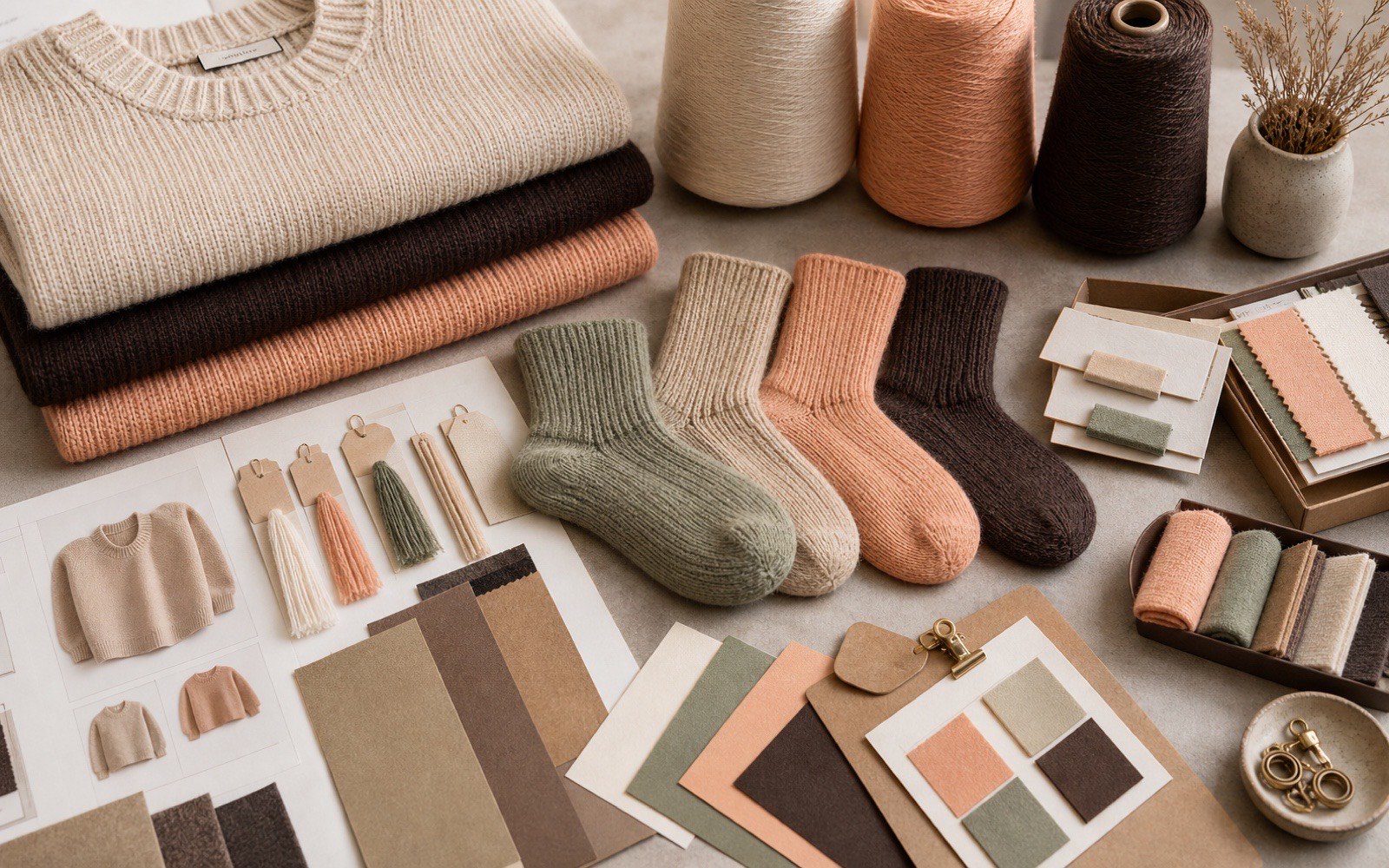
How brands can prepare small-batch textile sourcing briefs for capsule knitwear and socks projects without creating avoidable MOQ pressure.
Small-batch textile sourcing can be useful for capsule collections, showroom development and first market tests. It can also become difficult when the brief asks for too many styles, colors, materials and custom details at a very low quantity.
For brands exploring textile sourcing in Turkey, the goal is to make the small-batch request commercially understandable for the supplier.
Lova Tekstil supports brands across knitwear, yarn and socks routes where quantity, color and material decisions shape feasibility.
A small order is not automatically simple. A capsule project may include several styles, many colors, special yarns, custom labels and strict delivery dates. Each of those choices adds setup work.
Suppliers need to understand whether the project is:
This context changes how the request should be evaluated.
The easiest way to reduce pressure is to focus the capsule. A small-batch collection with three styles and two colors is usually easier to discuss than one with twelve styles and eight colors.
Focus can come from:
This does not make the collection less premium. It makes the production route cleaner.
Stock-supported yarn can help small-batch projects move faster because the material is already available or easier to confirm. Custom dyeing may still be possible, but it can create minimums and add time.
The Stock yarn vs custom dyeing guide explains how color route decisions affect sampling and production.
For small-batch knitwear, brands should ask whether the desired handfeel, color and gauge can be supported by existing yarn options before committing to custom development.
Small-batch sourcing often becomes unclear because brands mix sample, showroom and production quantities into one number. A supplier may answer differently depending on the stage.
The Textile MOQ planning guide explains why quantity stages should be separated. For a capsule collection, the brief should show whether the brand needs sample pieces, showroom sets, confirmed sales units or a repeatable production route.
The MOQ Planner can help identify where quantity pressure may appear before the project is sent for review.
Some brands hesitate to share whether a small project may lead to larger orders. But this information can help the sourcing partner look for a more realistic route.
If the capsule is a market test, say so. If a larger reorder is possible after buyer feedback, say so. If the project is intentionally limited, that should also be clear.
This helps avoid mismatched expectations around price, capacity and supplier interest.
A useful small-batch textile brief should include:
This gives Lova Tekstil enough context to evaluate the request with practical supplier options.
Small-batch sourcing is most successful when the collection is focused and the brief is honest about priorities. The brand may choose exact color and accept more time, or choose stock-supported yarn and move faster. It may choose a tighter style range to support better manufacturer matching.
The important point is to make those choices early, before the supplier conversation becomes overloaded.
Not always. Small-batch feasibility depends on product type, yarn route, color count, supplier setup, complexity and whether the project has a realistic production path.
Brands can reduce MOQ pressure by limiting color count, using stock-supported yarns, grouping styles, clarifying quantities and separating development from bulk needs.
Lova Tekstil can help brands evaluate whether a capsule knitwear or socks request fits practical supplier options in Turkey.