Blog
Stock yarn vs custom dyeing: choosing the right color route
A sourcing guide to choosing between stock yarn colors and custom dyeing for knitwear collections, sample timing and MOQ planning.
/ Lova Tekstil Sourcing Team
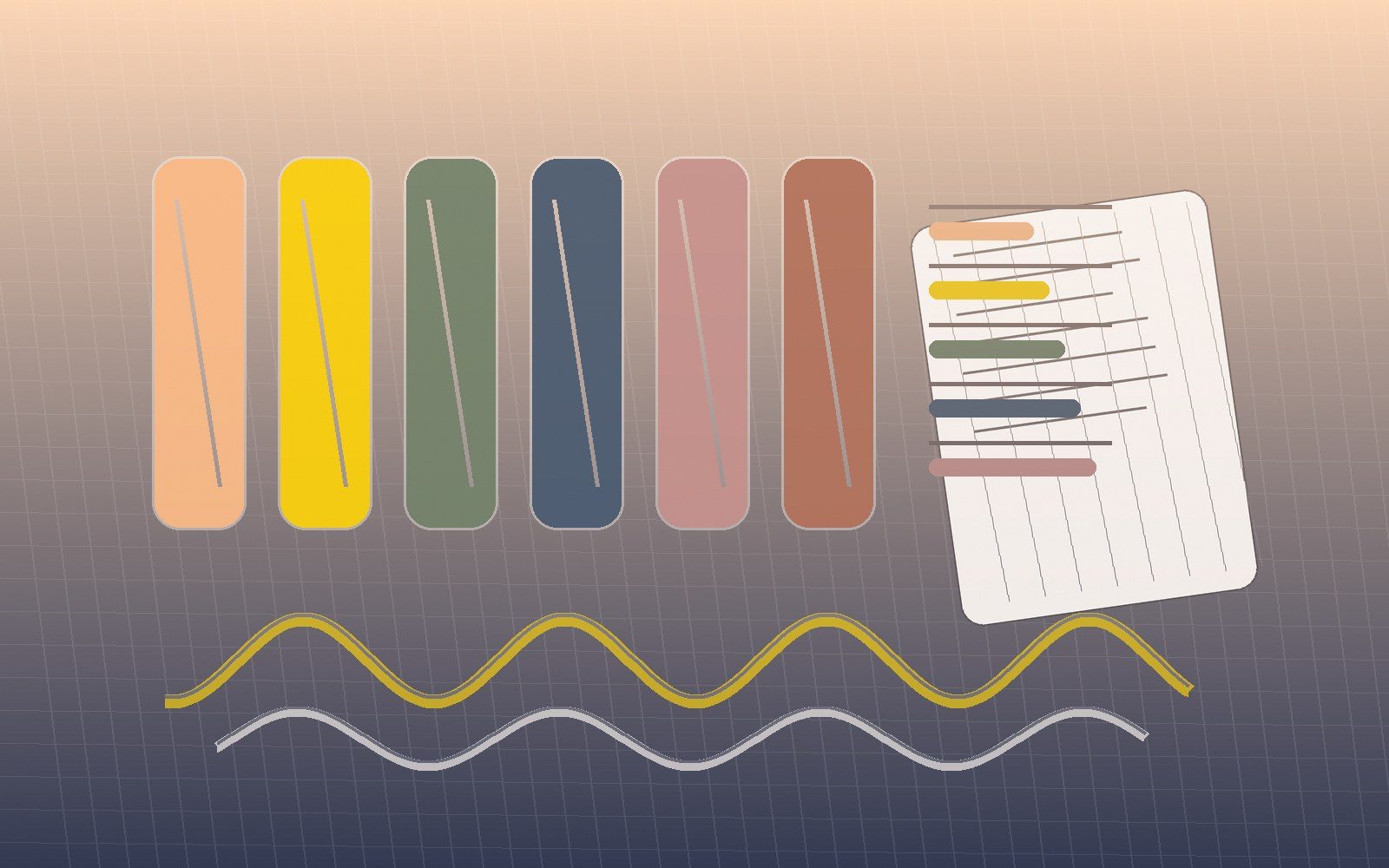
A sourcing guide to choosing between stock yarn colors and custom dyeing for knitwear collections, sample timing and MOQ planning.
Stock yarn and custom dyeing can both be useful in knitwear sourcing. The right choice depends on the collection stage, color accuracy, quantity, timeline and commercial risk. A brand that treats color as only a creative decision may miss the production consequences behind it.
Lova Tekstil works with yarn and finished knitwear routes, so color planning is discussed as part of the sourcing path rather than as a late styling detail.
Stock yarn colors are often the most practical route for early development. If the yarn supplier has an available color card and sample cones, the brand can move into swatch or garment sampling with fewer unknowns. This can be useful for showroom preparation, first fit review or a tight development calendar.
Stock colors can also reduce planning pressure. The supplier may already know availability, lead time and replacement options. The brand can compare colors physically instead of waiting for a new dyeing step.
Stock is especially useful when:
The limitation is that stock color choice is limited. A close color may be commercially acceptable for one collection and unacceptable for another.
Custom dyeing gives a brand more control over color. It may be necessary when a collection uses an exact seasonal palette, a retailer color standard or a brand-owned shade. It can also support continuity when the same color needs to repeat across styles or seasons.
The tradeoff is that custom dyeing adds process. Lab dips need approval. Minimums may apply. The calendar must allow for dyeing, review, potential corrections and final material delivery. If the color is connected to certification or traceability requirements, the route may need additional checking.
Custom dyeing should be discussed early when:
The Sampling Timeline Planner can help teams see whether the dyeing process fits the target calendar.
Color count is one of the fastest ways to complicate a sourcing plan. Five colors across a small total quantity may be harder to support than one or two colors at the same total quantity. The issue may come from yarn dyeing, supplier stock, machine setup, sample review or packaging.
The MOQ Planner can help teams identify where color decisions may create pressure before the brief is sent. It is not a substitute for supplier confirmation, but it can help the brand organize the question.
A practical sourcing discussion should separate:
Each stage may have a different best route. A stock color can be useful for development even if custom dyeing is planned for bulk. A custom color can be useful for a hero style even if other styles use stock colors.
Color does not live separately from material. The same shade can look different on cashmere, wool, cotton, silk or a fancy yarn. Gauge, stitch structure and finishing can also change the visible result. A shade that looks flat on a card may look richer once knitted, or the reverse.
Brands should review color on the intended construction whenever possible. If the project uses a luxury blend or fancy yarn, color behavior should be checked carefully because surface texture can affect the perception of depth and consistency.
The Fiber Blend Calculator can help teams think about material composition before comparing color options. The final decision still needs supplier input and physical sample review.
A useful color planning brief should include:
This gives Lova Tekstil enough context to discuss whether stock, custom dyeing or a mixed route is more realistic.
The best color route is not always the most customized route. It is the route that supports the collection goal without creating unnecessary risk. For early sampling, stock may be the cleaner path. For confirmed bulk production with exact color needs, custom dyeing may be justified.
The decision should be made before sampling begins, not after the collection calendar is already under pressure.
Stock yarn is often better when the project needs faster sampling, lower color complexity, clearer availability and a practical first development route.
Custom dyeing may be useful when a collection needs a specific brand color, seasonal palette, retailer match or color continuity that stock colors cannot support.
Yes. Custom dyeing can affect minimums, lab dip approval, testing, delivery timing and the risk of needing a revised sample route.