Blog
Socks manufacturing in Turkey: gauge, material and use case
A sourcing note on socks manufacturing in Turkey, including heavy gauge production, product types and material blend planning.
/ Lova Tekstil Sourcing Team
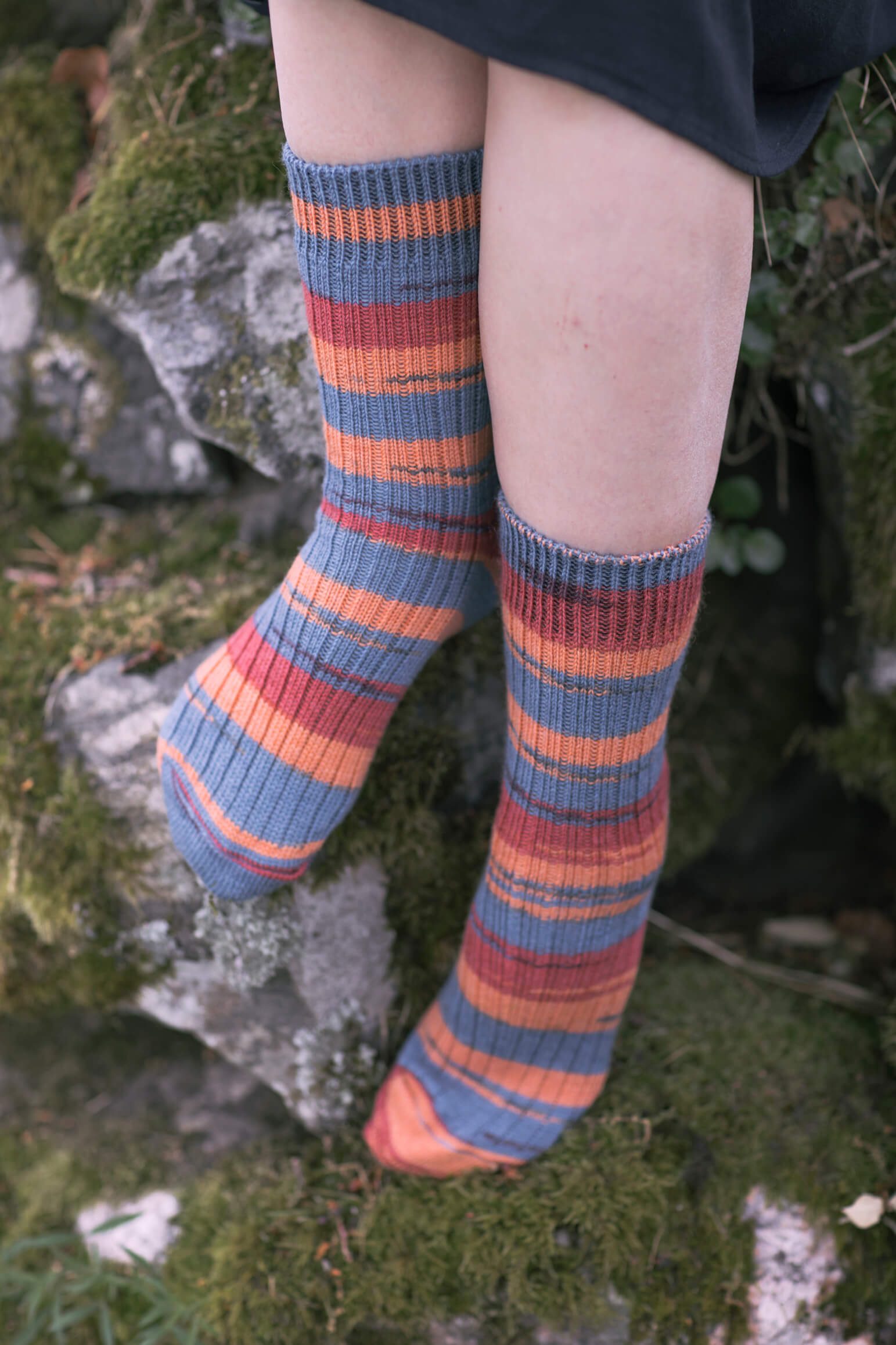

A sourcing note on socks manufacturing in Turkey, including heavy gauge production, product types and material blend planning.
Socks manufacturing in Turkey is most effective when the product brief connects gauge, material and use case before sampling begins. A simple request for “socks” is too broad. Heavy-gauge socks, home socks, travel socks and tights can require different machinery, material planning and quality expectations.
Lova Tekstil supports socks sourcing through manufacturer relationships in Turkey. The goal is to match the product with the right construction route, not only to collect a price.
Socks development starts with the intended use case. Heavy gauge socks such as 3, 6 and 9 gauges create a very different product character than lighter everyday socks.
Home socks, sleeping socks, travel socks and tights also require different construction choices, so the first brief should connect the product type with the expected feel and durability.
Gauge affects thickness, warmth, appearance, stretch, fiber behavior and the type of production setup needed. A 3-gauge heavy sock may feel more like a warm, substantial product, while other constructions may be better for lighter daily use. The right gauge is not only a technical number. It is part of the product identity.
The first brief should describe how the sock will be worn. A home sock may prioritize softness and warmth. A travel sock may need comfort, fit and durability. A sleeping sock may need a softer hand feel and different finishing expectations. Tights require another development route entirely.
When use case and gauge are discussed together, the manufacturer shortlist becomes more accurate. It also helps avoid samples that look good in isolation but do not fit the intended customer use.
Lambswool, cashmere, cotton, silk and other blends can all be considered depending on the target product. The best material choice depends on softness, warmth, stretch, care expectations and the intended retail position.
When the material direction is clear, manufacturer selection becomes more focused and sample development becomes easier to manage.
Material choice should reflect both the brand position and the practical use of the sock. Lambswool and cashmere can support warmer, more premium products. Cotton may be suitable for a different comfort and price target. Silk or blended yarns can change hand feel and perceived value. The right blend depends on the product goal.
Brands should also consider care instructions, pilling expectations, elasticity and color behavior. A luxury blend may need a different sample review process than a simpler cotton route. If the sock is expected to be sold as a premium seasonal product, the material story and performance expectations should be clear from the start.
Yarn knowledge helps here. Because Lova Tekstil works across yarn and finished product sourcing, material choices can be discussed before the manufacturer route is finalized.
Strong socks sourcing balances delivery, quality and price targets together. Treating those as separate questions often slows a project down.
The practical route is to define the product first, choose suitable manufacturing options and then refine the sample around the agreed priorities.
Price cannot be judged without the construction, blend, quantity and delivery plan. A fast delivery target may narrow manufacturer options. A premium fiber blend may require more careful sample approval. A larger production volume may require different planning than a small development run.
Quality should be defined in specific terms. For socks, this may include gauge consistency, stretch recovery, toe and heel construction, hand feel, shrinkage, color matching and packaging expectations. If the quality target is clear, price comparison becomes more meaningful.
A practical socks manufacturing inquiry should include:
This information helps Lova Tekstil match the project with manufacturer options that fit the real product goal.
The first sample should be reviewed against the brief, not only against appearance. Brands should check whether the sample matches the intended gauge, material feel, stretch, warmth, sizing and construction. If a sample is close but not exact, the feedback should be specific enough for the manufacturer to adjust the next step.
Good socks sourcing is a sequence: define the product, choose the route, sample against the brief, refine the details and then confirm production. When each step is visible, delivery, quality and price stay connected.
A socks manufacturing brief should define product type, gauge, material blend, sizing, intended use case, quality level, packaging needs, quantity and delivery timing.
Lova Tekstil can source heavy-gauge socks, home socks, sleeping socks, travel socks, tights and related products from Turkish manufacturers.
Gauge affects product character, thickness, warmth, construction choice, material behavior and the type of manufacturer that should be matched with the project.