Blog
Fiber blend selection for knitwear: balancing handfeel, care and cost
A sourcing guide to fiber blend selection for knitwear, including handfeel, durability, care, certification and commercial positioning.
/ Lova Tekstil Sourcing Team
A sourcing guide to fiber blend selection for knitwear, including handfeel, durability, care, certification and commercial positioning.
Fiber blend selection for knitwear is a commercial decision as much as a material decision. A blend changes how a garment feels, wears, drapes, pills, washes, costs and fits the target retail position.
For brands building knitwear sourcing plans in Turkey, the right question is not only “which fiber is best?” It is “which fiber blend supports the product use case, price position and production route?”
Lova Tekstil works with yarn and finished knitwear routes, so blend planning can be discussed before the first sample is made.
A product made for everyday wear may need a different blend from a luxury showroom piece. A travel cardigan, winter pullover, lightweight top and giftable accessory all have different expectations.
The use case should clarify:
This makes the blend discussion more practical. A premium fiber may be attractive, but it still needs to match the garment’s function.
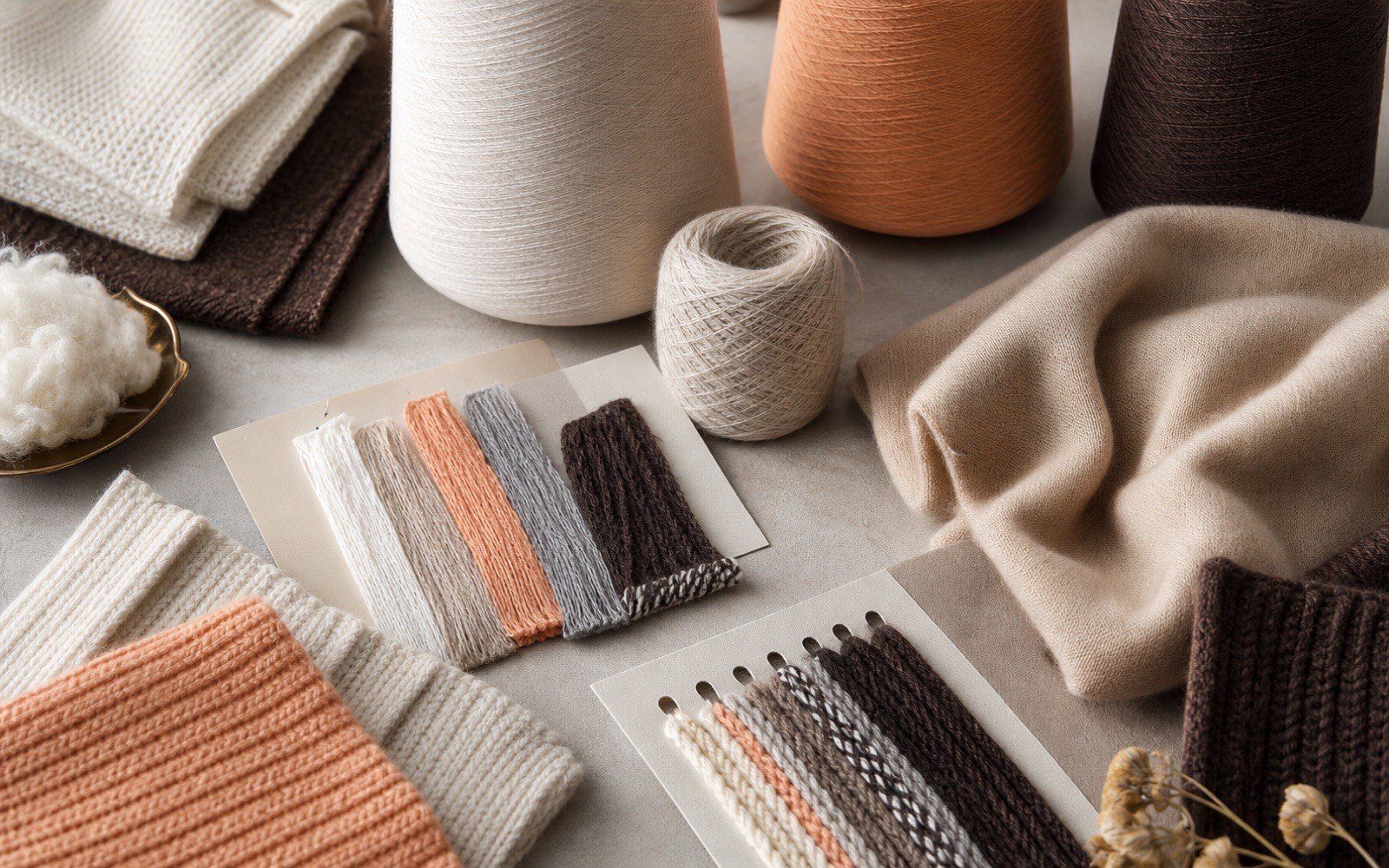
Softness is important, especially in luxury yarn selection, but it should not be the only measure of quality. Some very soft fibers may require more delicate care. Some blends may improve durability, recovery or cost while still keeping a premium handfeel.
For example, wool can support warmth and structure. Cotton can improve breathability and a cleaner seasonal handfeel. Cashmere can bring softness and luxury positioning. Silk can add smoothness and subtle sheen. Synthetic or recycled components may be used for performance, stability or cost reasons when they fit the brief.
The Fiber Blend Calculator can help teams estimate blend quantities by kilogram, but the final decision should still be checked through physical yarn and sample review.
The same fiber blend can feel different across gauges and stitch structures. A blend that feels right in a compact rib may feel too heavy in a larger gauge. A yarn with texture may behave differently in flat panels, cables or jacquards.
Brands should connect blend selection to:
The Knitwear Gauge Guide can help early teams think about gauge direction before sending a production brief.
Care expectations can change the sourcing route. A brand may want hand wash only for a luxury piece, or may need easier care for a broader commercial product. The target market, retail channel and end customer all matter.
Care decisions can affect yarn choice, finishing, label content and testing. They should not be handled only at the packaging stage.
If the product must meet a specific certification or testing standard, that requirement should be shared before sampling. The Certification Finder can help teams identify likely document questions before supplier matching.
A blend may look attractive in a single sample but become difficult at bulk quantity. Yarn price, availability, minimums, color count and waste all influence cost.
The Yarn Requirement Estimator and Yarn Cost Estimator can help brands create an early budget view. They are planning tools, not final supplier quotations, but they help organize the discussion.
Brands should also consider whether the blend supports future reorders. If a product may become a carryover style, continuity and availability become more important.
A practical fiber blend brief should include:
This information helps Lova Tekstil compare yarn options and manufacturer fit more accurately.
The strongest blend is not always the rarest or most expensive one. It is the blend that supports handfeel, care, durability, delivery timing and commercial reality at the same time.
When blend selection is handled early, sampling becomes more focused and production discussions become easier.
Fiber blend selection is shaped by handfeel, warmth, durability, pilling risk, care needs, certification requirements, cost and the target retail position.
Not always. The softest blend may not be the most durable, washable or commercially practical route for the product’s intended use.
Lova Tekstil can help brands compare yarn options, sample routes and manufacturer expectations before a knitwear brief moves into development.